

The construction of a new billion-dollar arena is changing the future of Grand Sierra Resort in Nevada
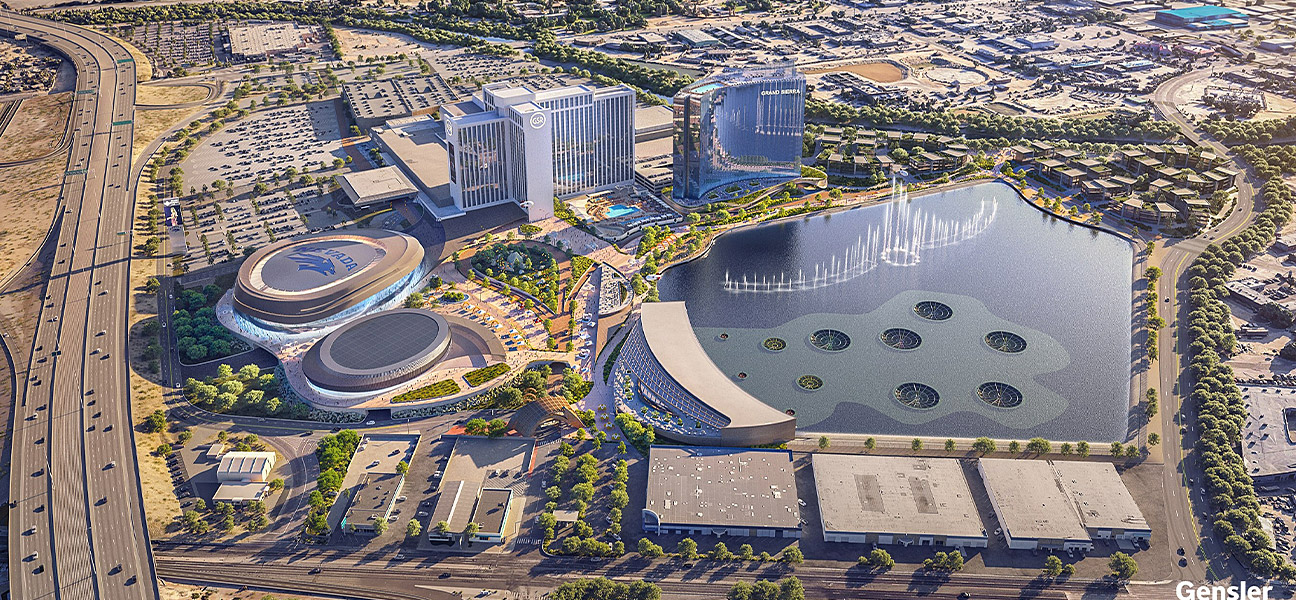
Grand Sierra Resort in Reno is undergoing the largest transformation in its history: construction is beginning on a multifunctional complex with a total value of $1 billion. This project includes a state-of-the-art arena, a new hotel tower, an ice rink, and employee housing.
Why are such large-scale changes sparking debates over funding, and how might this project transform the face of the region—these are the questions that concern residents and the business community. What is behind the construction of the new arena, which has already become a symbol of ambition and change for all of northern Nevada?
Key facts about the project
At the center of attention is the construction of a multifunctional arena with 10,000 seats, which will become the core of the new Grand Sierra Resort complex. In addition to the arena, plans include a new 25-story hotel tower, a public ice rink, the three-story Grand Bay golf center, as well as residential buildings for employees. The project is planned in two major phases. The first will be completed by fall 2027 and includes the main infrastructure facilities, while the second will add the hotel and expand the recreational area by the reservoir.
According to resort owner Alex Meruelo, the goal of the project is to create a unique space for sports, leisure, and living in Reno. Management notes that every element of the complex has been carefully designed for maximum comfort for guests and residents. Chief Marketing Officer Christopher Abraham emphasizes: “We spent a long time searching for the perfect combination of layout and amenities to make this experience unforgettable.”
Nevada is traditionally associated with gambling. Reno is known as a major gambling center, although smaller than Las Vegas. At the same time, all casinos in the city operate legally, since Nevada is one of the states in the USA where gambling is fully permitted.
However, many entrepreneurs point out that times have changed. Today, to play games of chance, it is no longer necessary to go to Nevada. If you see the website, read expert opinions and analytics, you can see the growing popularity of online casinos. They offer their guests not only an impressive selection of slot games but also no-deposit bonuses.
Growing competition in the casino world is one of the reasons why investors are choosing not only casinos. Multifunctional complexes are gaining popularity.
From idea to construction
The fate of the Grand Sierra Resort site illustrates a story of revival typical for Reno. In 2011, entrepreneur Alex Meruelo acquired the property, which was on the verge of closure, for $42 million and invested more than $400 million in its restoration. About four years have passed since the first discussions of a large-scale renovation. During this time, the project was repeatedly adjusted, the locations of key facilities changed, and logistics were planned for visitor convenience.
Thus, it was decided to move the arena from the south side of the complex to the northwest to ease the load on the front desk and service infrastructure. Parking for 2,400 cars is now located closer to the arena and will be connected to it by a covered walkway. All these changes, as noted by the architects, were made after numerous discussions with shareholders.
Economics and financing
The investment scale of the project is impressive. The total budget is $1 billion, of which $430 million is allocated for the arena and ice center. According to the construction application, the first phase will cost $786 million and covers key facilities and parking. The financing uses a TIF scheme—tax increment financing, or the return of part of future tax revenues to the private investor.
TIF is traditionally used in areas in need of urban regeneration and allows the growth of tax revenues from new projects to be directed toward financing the construction itself. According to the agreement, Grand Sierra Resort will receive back 90% of the tax revenues from its property until 2035, which, according to the administration’s estimates, will amount to about $61.3 million. The city will keep the remaining 10%, or about $6.8 million, for district development. Alex Meruelo considers the agreement fair and balanced: “I didn’t get everything I wanted, but neither did the city. This is what a real compromise is.”
Reasons for debate and compromises
However, the decision to use TIF sparked an intense discussion. Support for the project came from city authorities, some council members and urban development experts, as well as the University of Nevada. The opposition consisted of representatives of competing Reno casinos and a number of public organizations. According to opponents, the compensation payments to the investor are too high and do not correspond to the original goals of the TIF law.
Among the compromises reached between the city and the owner was an increase in allocations for city needs and support for infrastructure projects for children's sports. The resort management agreed to allocate additional funds for the creation of sports facilities near the complex, which, according to Meruelo, “was what the city needed most at times.”
Impact on the city and residents
The new Grand Sierra Resort complex could become one of the drivers of tourism in Reno, offering venues for concerts, exhibitions, sports, and mass events. Hundreds of jobs are expected to be created during the construction phase and further expansion of services after opening. Of particular importance is cooperation with the University of Nevada—this is where the new home arena for the men’s Wolf Pack basketball team will be located.
University President Brian Sandoval stated that the project will support not only athlete recruitment and the development of sports infrastructure, but also event revenues. At the same time, university funding is not involved in the project, and student participation in new programs opens up additional educational and professional opportunities.
For local residents, the appearance of an ice rink, walking routes, and new recreational areas could transform the local environment. As noted by expert Frederick Steinmann from the UNR Center for Economic Development, “such project scales were previously available only to major metropolitan cities—now Reno is becoming an arena of significant change.”
Competitors’ arguments and project defense
Among the opposition were operators of other hotels and casinos—Peppermill, Atlantis, Nugget, as well as properties owned by Caesars Entertainment. The main complaint is the use of TIF to cover not only construction but also future operational costs of the new complex. In an appeal to the city council, it was claimed that such a model violates state law.
In response, project supporters remind that many competitors’ properties have already received similar support from the city. For example, the reconstruction of parking lots at Eldorado and the creation of new venues for mass events in downtown Reno were financed using the same scheme.
Economists from the University of Nevada note: “Since 1983, the use of TIF has contributed to the growth of tourism and hotel occupancy.” Representatives of Grand Sierra Resort emphasize that the new complex will not be able to meet all accommodation demand on its own—arena guests will also stay at other hotels in the city.
The first phase of construction is scheduled to be completed by fall 2027, and residents are already looking forward to new opportunities for recreation, sports, and business. What changes such a large-scale project will bring remains to be seen: the experience of implementing such initiatives could serve as an example for other regions of America. On the agenda is not only the fate of the resort but also the future of the entire city, making every stage of construction an event for all of northern Nevada.